
Eat Healthy, Live Better: Recipes and Tips for Body & Mind
Discover how healthy eating can transform your physical, mental, and emotional life. Here you’ll find inspiration, recipes, and tips to nourish your body and soul.
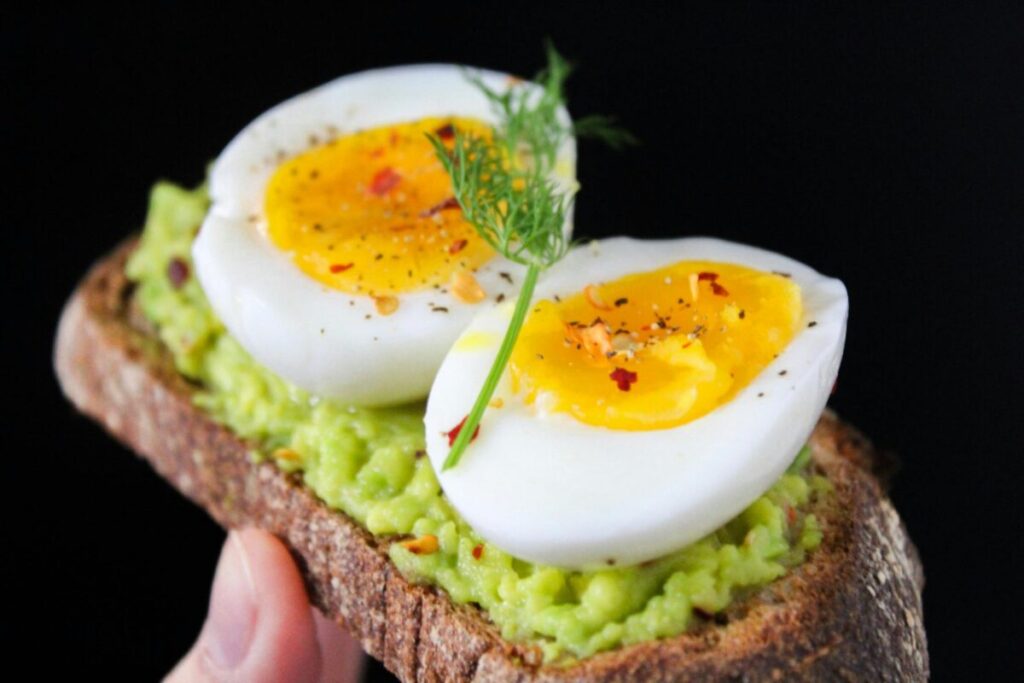
🌱 Start Your Journey to a Healthier You
Taking care of yourself starts with what you put on your plate. Food is much more than calories: it’s energy, health, and an act of self-love. Here, I want to inspire you to take the first step toward a more balanced life, where physical, mental, and emotional well-being go hand in hand.
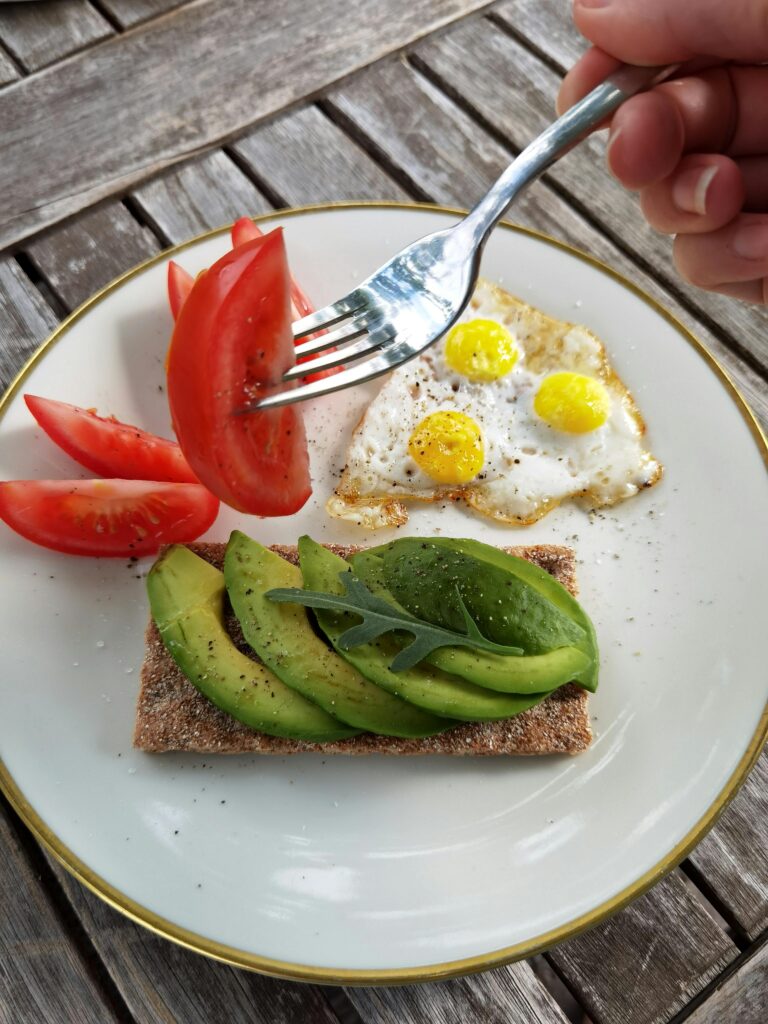
Why Eating Healthy Matters
A healthy diet not only helps you stay fit, but it also improves your mood, strengthens your immune system, and gives you the mental clarity you need to face the day. Every little bit counts.
How to Start: Small Steps, Big Changes
You don’t need to change your life overnight. Start slowly:
— Add more fruits and vegetables to your meals.
— Choose water instead of soda.
— Prepare at least one home-cooked meal a day.
— Listen to your body and eat mindfully.
Small habits can become big transformations.
Nourish Your Body and Mind
The relationship with food is also emotional. Learn to eat without guilt, to enjoy every bite, and to see the kitchen as a space to relax, create, and take care of yourself.
Latest Healthy Recipes to Nourish Your Body and Soul
Try our latest recipes: easy, nutritious, and full of flavor. Each dish has a story that will inspire you to prepare and enjoy it.
-
Chile | Healthy & Easy Dinner Recipes | Light and Healthy | Healthy & Easy Lunch Recipes | Delicious and Fast
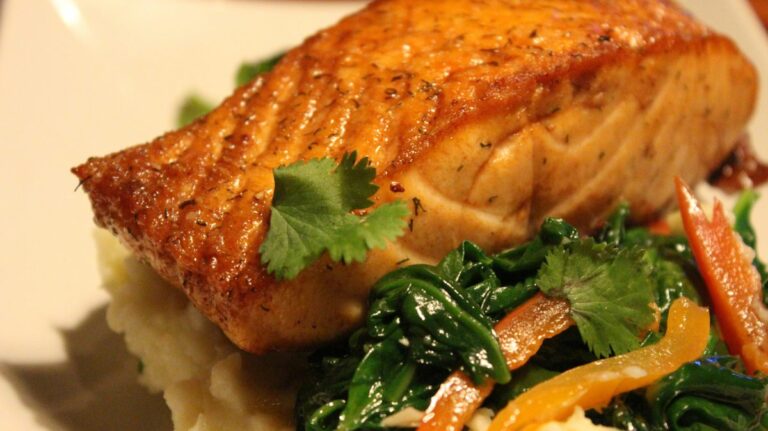
Chilean Salad with Baked Salmon
This Chilean salad with baked salmon combines fresh veggies, tender salmon, and vibrant flavors. A healthy, easy recipe perfect for any day!
-
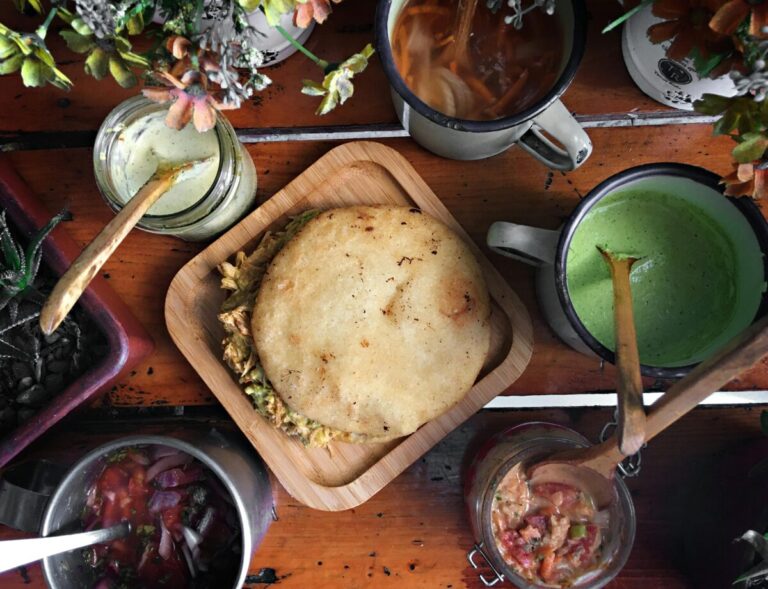
Healthy Oatmeal Arepa with Light “Queen Pepiada” recipe
healthy oatmeal arepa recipe with a light queen pepiada filling — a tasty, easy, and nutritious breakfast idea you’ll love.
-
Traditional Venezuelan lemon chicken recipe
Sunday Chicken: Juicy roasted chicken with lemon & garlic, colorful veggies, and a taste of Venezuelan home on your table.

Healthy Living Tips for a Balanced Mind and Body
A healthy life goes beyond what you eat: it’s also about how you take care of yourself, how you manage stress, and how you connect with yourself and others. Here you’ll find practical tips to nourish not only your body, but also your mind and emotions.
🥗 1. Eat with Intention
Eating isn’t just a necessity; it’s an opportunity to take care of yourself.
— Plan your weekly meals to avoid impulsive decisions.
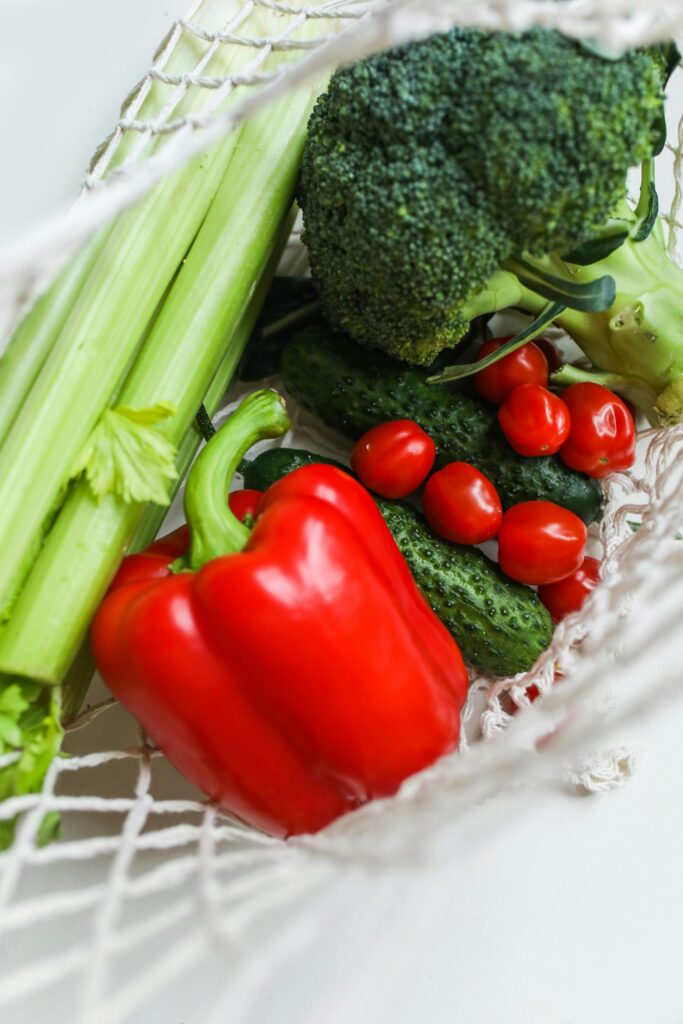
— Include colors on your plate: more fruits and vegetables mean more nutrients.
— Chew slowly and eat without distractions to connect with your feelings of satiety and satisfaction.

🚶♀️ 2. Move Your Body Every Day
Physical activity doesn’t have to be an intense gym session. The important thing is to move every day:
— Go for a 20–30-minute walk.
— Practice yoga or stretching to relax your body and mind.
— Dance to your favorite song while cooking.
Movement releases endorphins and improves your emotional well-being.
😌 3. Rest and Recharge
Rest is just as important as diet and exercise. — Prioritize getting at least 7–8 hours of sleep a night. — Disconnect from screens at least 30 minutes before bed. — Take breaks throughout the day to breathe and reconnect with yourself.


🧘♀️ 4. Practice Mindfulness and Gratitude
Your state of mind influences your choices and how you feel about them.
— Spend a few minutes a day meditating or breathing mindfully.
— Write down three things you’re grateful for each morning or night.
— When you eat, notice the flavors and textures: being present helps you enjoy more and eat better.
💧 5. Stay Hydrated and Simplify
We often confuse thirst with hunger. — Always have water on hand and drink regularly. — Learn to simplify your diet: you don’t need elaborate meals to be healthy.
🌾 Superfoods: Nature’s Best Fuel for Your Health
Nature provides us with foods packed with vitamins, minerals, antioxidants, and energy to take care of our body and mind. These foods are called superfoods because, in small quantities, they offer significant benefits for your health.
In this section, you’ll discover some of them, how to use them, and why you should include them in your daily routine.
What are superfoods?
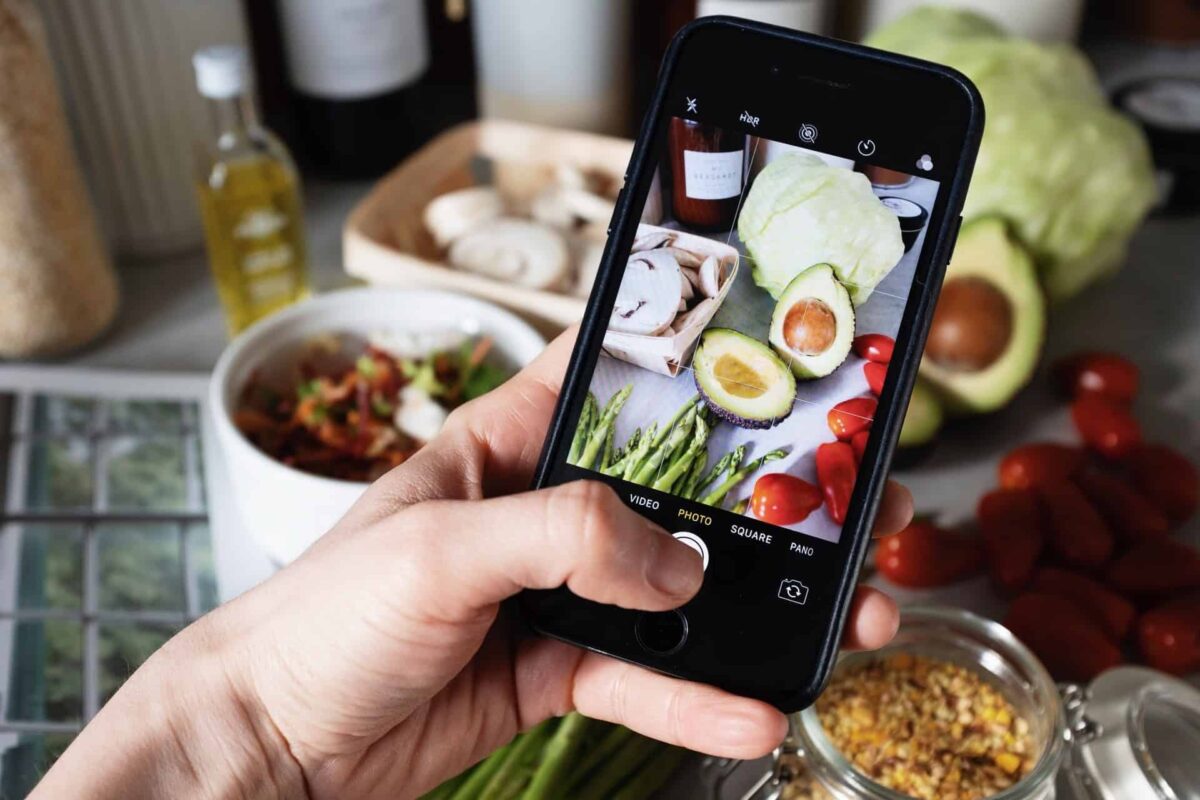
They are natural, nutrient-dense foods that stand out for their high concentration of health benefits: they strengthen the immune system, combat oxidative stress, improve digestion, and contribute to your physical and mental well-being.
Some examples:
- Seeds (chia, flaxseed, quinoa).
- Nuts and berries (walnuts, almonds, blueberries, goji).
- Green vegetables and leaves (kale, spinach, broccoli).
- Fish rich in omega-3 (salmon, sardines).
- Algae (spirulina, nori)
🥗 Main Benefits:
- Trengthen your immune system.
- Help maintain a healthy weight.
- Support heart and brain health.
- Improve your skin and digestion.
- Provide sustained energy throughout the day.
💡 Additional Tips:
— You don’t need to consume all of them or in large quantities.
— Choose the ones that best suit your tastes and budget.
— Always prioritize fresh, local, and seasonal foods whenever possible.
🍲 Where Cultures Meet: Recipes and Stories That Unite Us
Food has the power to unite us, to tell stories, and to bring us closer to different cultures, people, and memories.
Why does food unite cultures?
Cooking and sharing a table are universal acts. Although ingredients and techniques vary from country to country, we all seek the same thing: to care for those we love, express our identity, and enjoy the moment.
Here, we celebrate those similarities and differences through recipes steeped in history.
In this section, I share recipes that nourish not only the body but also the heart: each dish comes with a story, an origin, and a tradition that connects us to something greater than ourselves.
“Balance is not something you find, it’s something you create.”
Latest recipes added according to the country of origin
-
Healthy Oatmeal Arepa with Light “Queen Pepiada” recipe
healthy oatmeal arepa recipe with a light queen pepiada filling — a tasty, easy, and nutritious breakfast idea you’ll love.
-
Chile Healthy & Easy Dinner Recipes | Light and Healthy Healthy & Easy Lunch Recipes | Delicious and Fast
Chilean Salad with Baked Salmon
This Chilean salad with baked salmon combines fresh veggies, tender salmon, and vibrant flavors. A healthy, easy recipe perfect for any day!

Answers to Frequently Asked Questions about Building a Healthy, Balanced, and Protein-Rich Diet
The answers in the following section are based on readings and research. If you suffer from any condition, it is best to go to a specialist doctor.